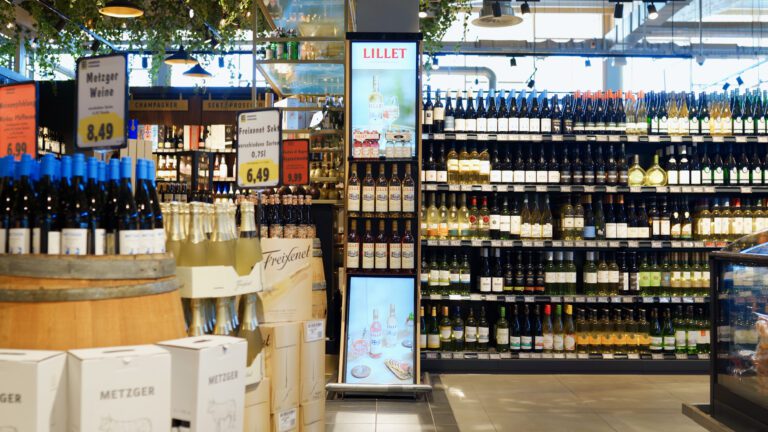

Retailers use retail media networks to run targeted ad advertising on their own platform and generate new revenue from their audience.
What Are Retail Media Networks (RMN)?

Retail Media Networks (RMN) are digital advertising platforms that allow retailers to monetize their own advertising space within their online and offline channels. Through targeted ad advertising, brands can address their products directly to consumers while targeting specific audiences. RMNs use extensive first-party data about customers’ purchasing behavior to significantly increase the efficiency of advertising measures.
These platforms allow brands to advertise their products exactly where consumers are already actively shopping — leading to greater relevance and better campaign performance. The combination of data-driven advertising and direct engagement within the retail environment creates a strong foundation for effective customer engagement and improved conversion rates.
Additionally, retail media networks allow full control over campaign presentation and measurability. Since they’re mostly based on first-party data, they offer a future-proof alternative to classic advertising networks — especially at a time when third-party cookies are becoming less relevant. Ultimately, RMNs represent a powerful platform for placing brand messages precisely and effectively across a variety of channels.
Why Retailers Are Building Their Own Advertising Networks
Retailers are increasingly building their own advertising networks to boost their ad advertising efficiency. These platforms let them run targeted ad advertising within their own ecosystem, allowing them to reach their customers directly. Through data usage, they can precisely target audiences and create personalized offers. They also benefit from higher revenue, since they retain control over the entire advertising process and implement their own strategies — which is crucial in an increasingly competitive industry.
How Retail Media Platforms Work in Practice
Retail media platforms allow brands to run targeted advertising within online stores or as in-store advertising. These platforms offer ads that are integrated directly into the shopping experience, increasing product visibility. Users can discover relevant offers directly while browsing. Marketers can analyze their own audience and adjust campaigns based on purchasing behavior. By using data within the platform, companies can optimize their own marketing strategies and increase conversion rates. This creates a win-win situation for retailers and brands.
Targeting Within the Customer Journey at the Point of Sale
In the retail environment, retail media networks allow companies to place their ads precisely at the point of sale (brick-and-mortar retail or e-commerce). By using data within the customer journey, companies can precisely reach their target audiences. These platforms not only increase visibility, but also boost revenue by engaging customers directly in-store and highlighting their own products.
Channels and Touchpoints for Effective Ad Placements

To ensure effective ad placements in retail media networks, companies should use various channels and touchpoints. These include owned platforms that allow precise customer targeting. Ads can be placed within online stores, mobile apps, or physical stores to maximize visibility and strengthen brand loyalty. By integrating these touchpoints, companies can significantly increase their reach.
More Revenue for Retail Companies and Brands
Retail media networks offer an excellent opportunity for retailers and brands to generate more revenue. By placing ads within their own platforms, retailers can precisely target their audiences and unlock additional revenue streams. The combination of high-quality data and targeted campaigns allows brands to effectively advertise their products while boosting the retailer’s revenue. This benefits both sides: retailers grow their revenue, while brands increase their visibility and maximize direct contact with potential customers.
First-Party Data as the Key to Precise Targeting
First-party data is the key to precise targeting in retail media networks. This data allows brands and advertisers to create tailored ads that align with their customers’ behavior and preferences. Within their own platform, companies can run targeted in-store advertising to maximize their revenue and increase the efficiency of their advertising strategies.
Owned Media and In-Store Ads as Revenue Drivers
Owned media refers to all communication channels a company owns and controls itself — such as its own website, app, or social media profiles. These channels allow brands to shape content independently and spread their message their own way, on their own timing. Owned media and in-store ads are crucial revenue drivers for retail media networks. These platforms allow brands to place their ad advertising precisely within stores (brick-and-mortar retail or e-commerce), making optimal use of first-party data. Through precise targeting, companies can reach potential customers directly at the point of sale, leading to a significant increase in revenue.
More Revenue for Retail Companies and Brands
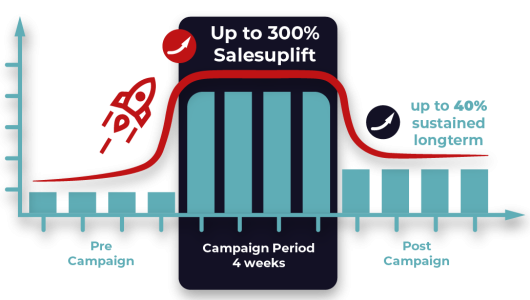
Retail media networks offer companies an innovative platform to precisely manage ad campaigns. By using their own data, retail companies and brands can precisely reach their target audiences and thereby increase revenue. Within these networks, a win-win situation emerges, as both retail companies and brands benefit from increased revenue.
Insights and Data Ownership as a Competitive Advantage
Insights and data ownership are crucial to the success of retail media networks. Companies using their own platforms can develop precise ad campaigns and optimally target their audiences. Within these networks, companies have direct access to valuable data, enabling them to make informed decisions and secure a decisive competitive advantage.
Who Benefits: Advertisers, Retailers, Stores
Retail media networks offer numerous benefits to both advertisers and retailers. Advertisers can precisely reach their target audiences within the platform and run targeted ads. Retailers benefit from additional revenue by monetizing their own retail space. This symbiosis strengthens brand presence and increases revenue for both stores and advertisers.